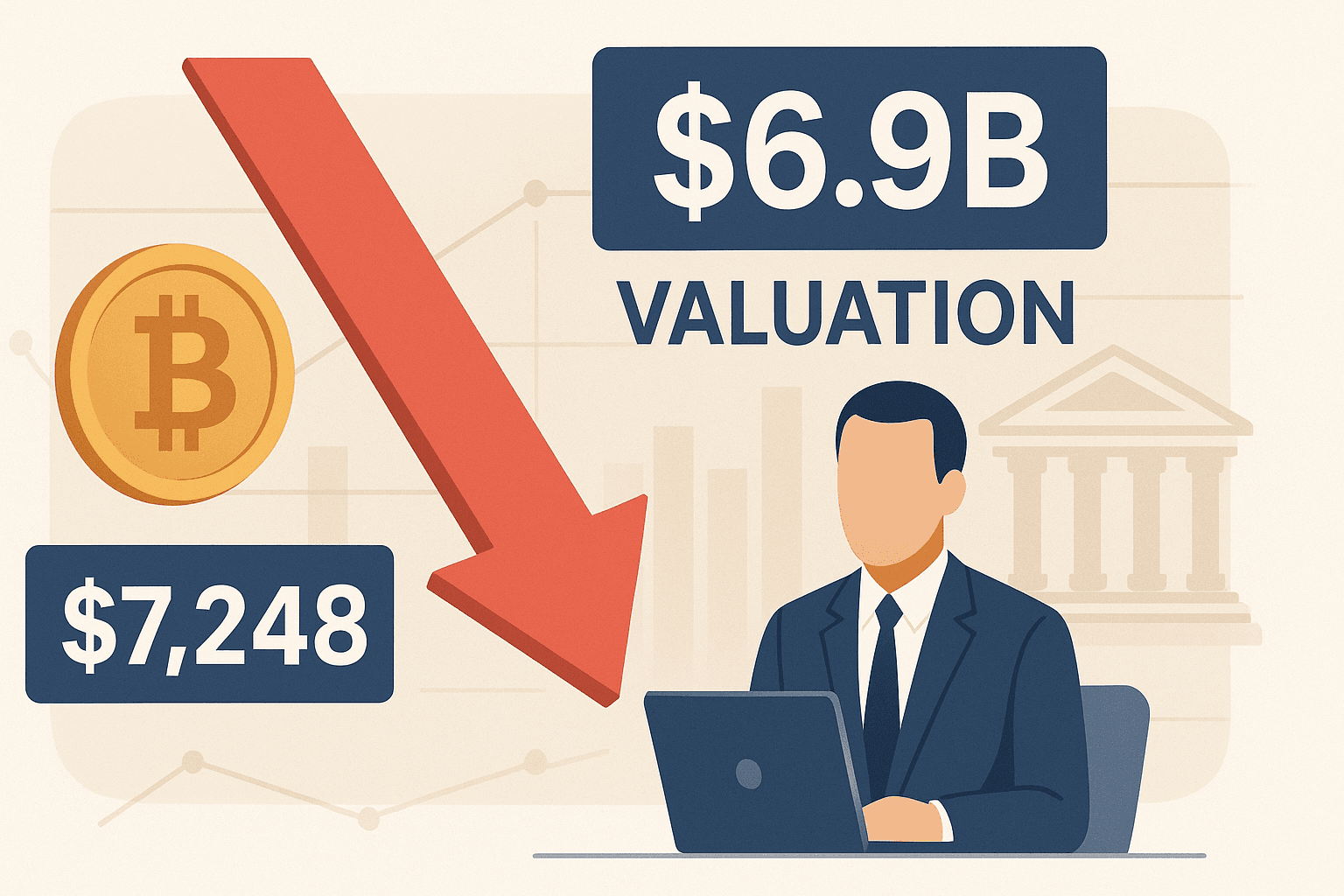
ADI PredictStreet, a blockchain-based prediction market platform, generated approximately $7,248 in daily revenue in a recent snapshot, highlighting how day-to-day revenue can fluctuate as the platform builds activity around its on-chain prediction markets.
ADI PredictStreet operates a regulated, blockchain-based prediction market where users trade on the outcomes of real-world events. Rather than betting against a traditional sportsbook, users buy and sell outcome positions against other participants.
A recent daily revenue figure of approximately $7,248 provides one snapshot of the economic activity being generated by the platform. However, daily revenue can vary considerably and should not be extrapolated directly into an annual figure without considering longer-term data.
ADI PredictStreet has generated approximately $6.9 million in cumulative protocol revenue. Recent 30-day figures have also been substantially higher than the $7,248 daily snapshot would suggest, making longer measurement periods more useful for assessing the platform’s overall trajectory.
What the Numbers Show
Daily revenue is useful for tracking short-term changes in platform activity, but it does not provide a complete picture on its own.
Prediction market revenue can fluctuate based on the number of active markets, trading activity, and major real-world events. This is particularly relevant for ADI PredictStreet, which has focused heavily on sports markets surrounding the 2026 FIFA World Cup.
The platform’s cumulative revenue and trading volume therefore provide important context alongside individual daily figures. Comparing multiple periods can give a more accurate indication of whether activity is growing, declining, or being driven by individual events.
Context Within the Broader Blockchain Landscape
PredictStreet’s situation is not entirely unique. Blockchain projects across the prediction market and decentralized application space can experience significant differences in daily activity depending on market conditions and user demand.
Prediction market platforms, where users take positions on the outcomes of real-world events, have gained significant attention across the crypto sector.
ADI PredictStreet operates somewhat differently from a traditional sportsbook. The platform functions as an intermediary, allowing participants to trade against one another rather than taking the opposing side of wagers itself. Prices are determined through an on-chain order book, and positions are represented by outcome tokens.
The challenge for prediction markets is attracting and retaining enough active participants to keep markets liquid. Without sufficient trading activity, users may encounter wider spreads or difficulty entering and exiting positions.
Why Daily Revenue Matters
Daily revenue is one indicator of a blockchain platform’s real-world usage. It shows how much revenue a protocol captures from activity taking place on its platform.
For ADI PredictStreet, however, individual daily figures need to be viewed alongside trading volume and longer-term revenue. A single $7,248 day does not necessarily represent the platform’s typical revenue generation, particularly during periods when major sporting events can cause substantial changes in activity.
Trading activity is especially important for prediction markets because users trade directly against other market participants.
ADI PredictStreet uses binary Yes/No markets, with shares priced between $0.01 and $0.99 and winning positions settling at $1. Orders are signed and settled on-chain through ADI Network, while prices are determined through the platform’s order book.
Implications for Users
Revenue and trading volume provide useful indicators of activity, but liquidity is especially important for prediction market users.
Higher participation can help create tighter pricing and make it easier for users to enter or exit positions before an event concludes. Lower liquidity can have the opposite effect, particularly in less popular markets.
ADI PredictStreet says liquidity is quoted continuously across its markets, while users can sell positions before settlement to lock in a profit or limit a loss. The platform charges a trading fee that is displayed before an order is confirmed.
The platform is also regulated rather than operating solely as a decentralized protocol. ADI PredictStreet is operated by Predict Street Limited in Gibraltar under gambling license No. 167 and is licensed as a betting intermediary.
The Broader Question of Prediction Market Growth
PredictStreet’s numbers feed into a broader discussion about how blockchain-based prediction markets can turn increased interest into sustained trading activity.
Traditional financial metrics do not always translate neatly to blockchain networks and prediction markets. Revenue remains useful, but trading volume, liquidity, active users, and the number of active markets can provide additional context.
ADI PredictStreet also has a major opportunity to attract users through sports. The platform launched with a particular focus on the 2026 FIFA World Cup and is the tournament’s Official Prediction Market Partner. It has offered markets including tournament winners, group qualification, match results and player propositions.
The platform says its longer-term plans extend beyond sports into prediction markets covering politics, economics, finance, science, technology and current affairs.
What to Watch Going Forward
Key metrics to monitor include daily active users, trading volume, liquidity and revenue trends over the coming quarters. Growth across these areas would indicate that PredictStreet is converting interest in prediction markets into sustained platform activity.
The period following the FIFA World Cup will be particularly important. The tournament provides ADI PredictStreet with a major source of potential user activity, but maintaining engagement after the event could more clearly indicate longer-term demand.
ADI PredictStreet’s regulated status and on-chain trading model give it a distinct position within the growing prediction market sector. Future revenue and trading data will show whether the platform can maintain activity as it expands beyond its initial focus on World Cup markets.