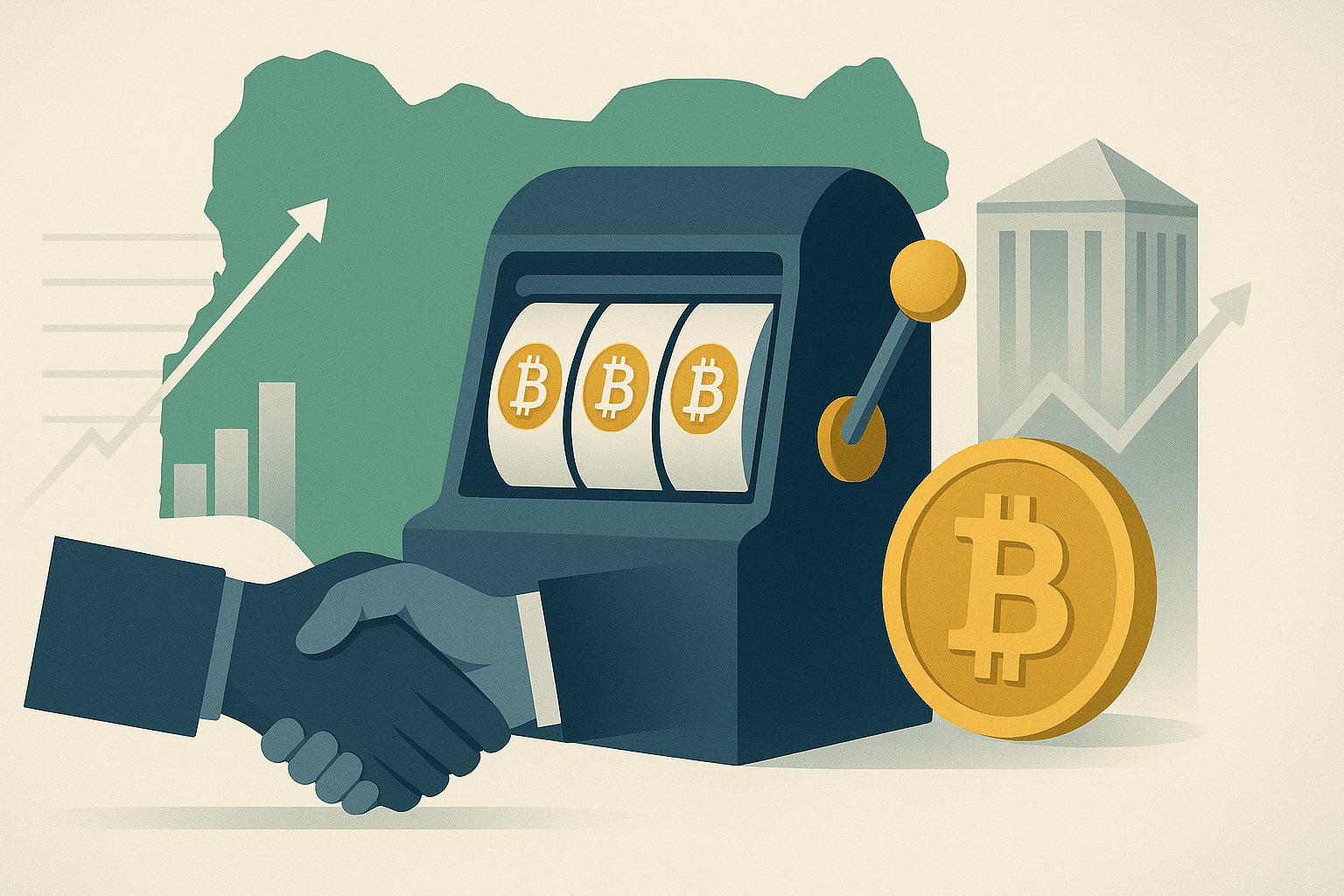
Nigeria’s early adopters of digital payment platforms are fueling a growing wave of crypto gambling slot use. The same factors behind the country’s fintech boom a young population, limited traditional banking access, and widespread smartphone use are pushing users toward cryptocurrency-based gambling platforms.
Nigeria’s Fintech Users Are Driving Crypto Slot Adoption
Nigeria ranks among Africa’s leading markets for cryptocurrency adoption, and that momentum is now reaching online gambling. The demographic groups who first embraced digital payments and mobile money platforms are gravitating toward crypto gambling slots.
The connection is straightforward. Nigeria’s population skews young, with a median age under 20, and this generation grew up navigating digital finance out of necessity as much as preference. Limited access to traditional banking infrastructure pushed millions toward mobile wallets and peer-to-peer payment apps long before crypto entered the picture.
Why Digital Payment Users Shift to Crypto Slots
For Nigerians already comfortable sending and receiving money through apps, the move to crypto-based gambling platforms feels natural. The user experience mirrors what they already know: fund a digital wallet, make a transaction, and receive payouts without visiting a physical location.
Cryptocurrency adds another layer of appeal. The naira has experienced significant volatility and depreciation in recent years, making digital assets an attractive store of value for many Nigerians. When gambling platforms accept Bitcoin, Ethereum, or stablecoins, they tap into an existing behavior using crypto as both a hedge and a medium of exchange.
Transaction speed also plays a role. Traditional banking transfers in Nigeria can involve delays, particularly for cross-border movements. Crypto deposits and withdrawals on gambling platforms bypass those friction points.
The Role of Mobile Access
Smartphone penetration in Nigeria continues to climb, and mobile devices serve as the primary internet access point for most of the population. Crypto gambling platforms that optimize for mobile browsers and apps meet users where they already spend their time.
This mirrors the trajectory of Nigeria’s fintech boom. Services like OPay, PalmPay and Kuda Bank gained millions of users by offering mobile-first experiences. Crypto slot platforms that follow the same approach simple interfaces, quick onboarding, and minimal friction are positioned to capture a similar audience.
Regulatory Landscape Remains Uncertain
Nigeria’s regulatory environment for both cryptocurrency and online gambling remains in flux. The Central Bank of Nigeria restricted banks from facilitating crypto transactions in 2021, though peer-to-peer trading continued largely unabated. More recent signals suggest a softening stance, with the Securities and Exchange Commission developing frameworks for digital asset regulation.
Online gambling regulation varies by state, and enforcement remains inconsistent across the country. That gray area creates both opportunity and risk for platforms operating in the Nigerian market.
Many crypto gambling platforms serving Nigerian users hold licenses in offshore jurisdictions rather than domestically. Consumer protections may differ significantly from those offered by regulated local operators.
Demographics and Market Size
Nigeria ranks among the top countries globally for crypto adoption according to multiple industry indexes. The country’s population exceeds 220 million, with more than half under 30. That combination of scale and youth creates a substantial potential market for crypto gambling products.
Slot games appeal to this demographic because of their low barrier to entry. Unlike poker or sports betting, slots require no specialized knowledge. Sessions can be brief, fitting into the fragmented leisure time of young urban workers.
Risks Worth Noting
The intersection of crypto volatility and gambling risk creates a compounding effect. Winnings denominated in cryptocurrency can gain or lose value independent of the gambling outcome itself.
Problem gambling resources in Nigeria remain limited compared to more regulated markets. Users on offshore crypto platforms may have fewer avenues for dispute resolution or self-exclusion than those using domestically licensed operators. Setting strict deposit limits and using any responsible gambling tools a platform offers remains advisable.
What Comes Next
Crypto slot adoption in Nigeria appears tied to broader digital finance patterns rather than any single platform or promotion. As long as cryptocurrency remains a practical financial tool for millions of Nigerians, crypto-based gambling platforms are likely to continue finding a receptive audience.