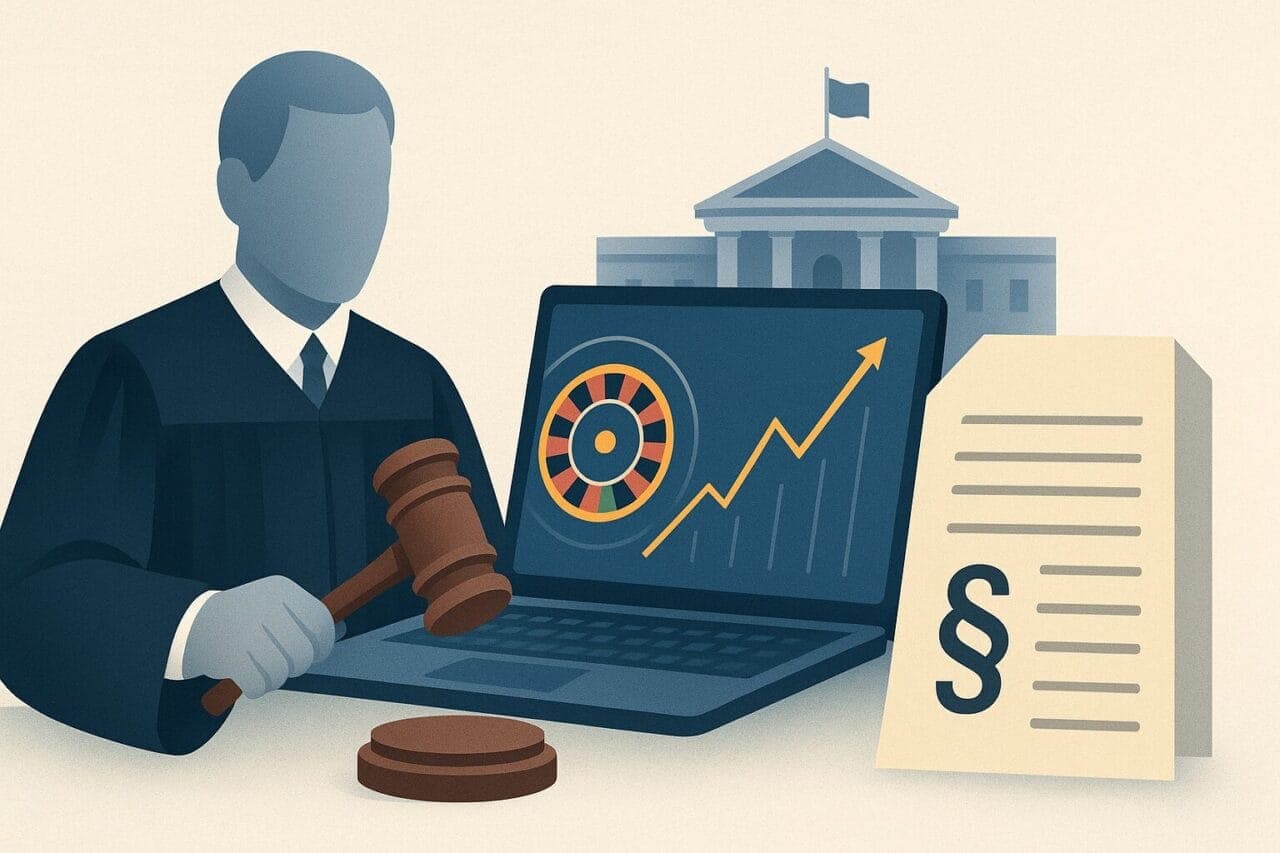
Billions of rands flow to offshore gambling platforms each year with no tax benefit and no player protections. South African lawmakers now face mounting pressure to overhaul the country’s outdated legal framework for online gambling.
South Africa’s gambling industry is at a turning point as international online operators target the country’s growing digital market. The result is a widening gap between existing law and consumer behavior, one that raises serious questions about regulation, revenue and player safety.
The country has a well-established regulatory framework for land-based casinos and betting shops through its provincial licensing boards and the National Gambling Board. But the online space remains a legal gray area. The National Gambling Act of 2004 effectively prohibits most forms of online gambling, yet enforcement has proved difficult as international platforms continue to accept South African players.
The scale of the problem is hard to ignore. South African consumers spend billions of rands annually on unregulated platforms, according to industry observers. That money leaves the country with no return to government coffers and no safeguards for local players.
A Regulatory Gap Widens
International operators use targeted marketing strategies aimed at South African consumers, offering services through websites and mobile apps that remain accessible despite the unclear legal status of these platforms. The gap between the law on paper and the market in practice continues to grow.
South Africa’s regulated gambling sector generates substantial revenue for provincial and national governments. Land-based casinos, licensed bookmakers and the national lottery all contribute through taxes and levies. The unregulated online sector sits entirely outside this framework.
Various proposals to update the law have circulated for years, but comprehensive reform has not materialized. The Remote Gambling Bill, which sought to create a licensing regime for online operators, has faced a drawn-out legislative process.
Consumer Protection Gaps
Without regulation, South African players who use offshore gambling sites have no recourse when disputes arise. There are no requirements for these platforms to implement responsible gambling measures, verify player ages or ensure fair game outcomes.
Regulated markets in other jurisdictions require licensed operators to meet strict standards around game fairness, data protection and problem gambling intervention. South African consumers access platforms that may meet none of these standards.
The absence of regulation also means no oversight of advertising practices. Online gambling marketing reaches South African consumers through social media, search engines and content partnerships with little restriction.
The Economic Case for Licensing
Proponents of regulation argue that a licensed framework would generate new tax revenue while protecting consumers. They point to models in the United Kingdom, where the UK Gambling Commission oversees online operators, and several U.S. states that have legalized online gambling in recent years.
The South African gambling industry employs tens of thousands of people across its regulated sectors. Industry stakeholders have raised concerns that unregulated online competition undermines licensed operators who comply with local laws and contribute taxes.
Some industry voices advocate for a regulated market that would allow licensed operators, both domestic and international, to offer online gambling under strict conditions. The argument: channel consumer demand through safe, regulated platforms rather than attempting to block access entirely.
Enforcement Remains Difficult
Blocking access to offshore gambling websites presents significant technical challenges. Website-blocking measures can be circumvented through virtual private networks and mirror sites, making prohibition alone an ineffective strategy.
Countries that have attempted to block online gambling sites without offering legal alternatives have generally struggled to reduce participation. Regulated markets that provide licensed options tend to capture a larger share of consumer spending within the legal framework.
Payment blocking, restricting financial transactions between South African consumers and unlicensed operators, represents another enforcement tool. But it faces practical limitations in an era of cryptocurrency and alternative payment methods.
What Comes Next
The pressure on South African lawmakers to act shows no signs of easing. Smartphone penetration continues to rise, and digital payment methods are becoming more widespread, expanding the potential market for online gambling.
Industry observers expect the regulatory debate to intensify in the coming months as stakeholders from government, the existing gambling industry and civil society push for clarity. The central question is: will South Africa move toward a licensing model that brings online gambling within its regulatory framework, or continue to rely on prohibitive measures that have so far failed to slow the growth of offshore platforms?