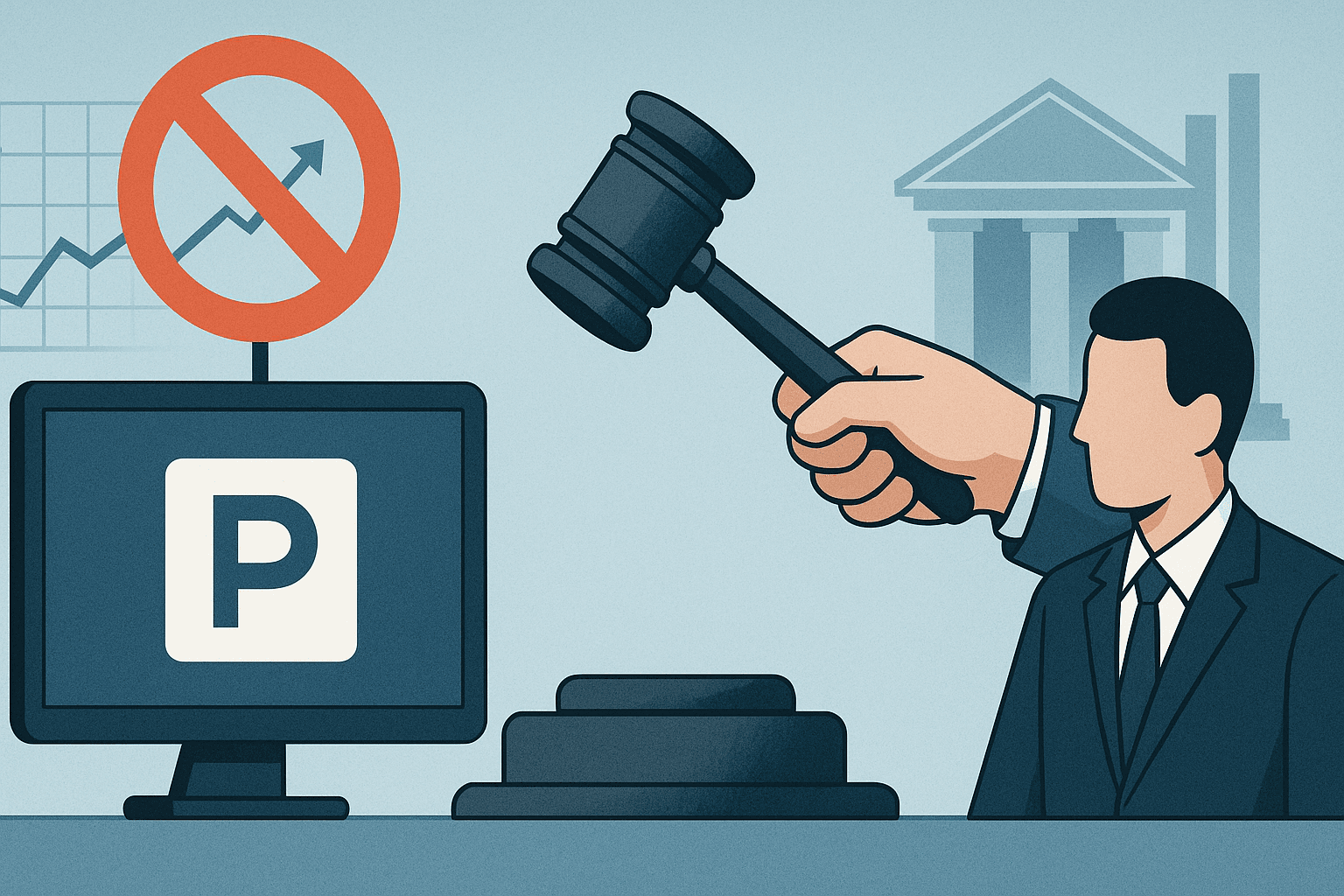
South Korea’s telecommunications regulator has directed domestic internet service providers to block access to Polymarket, classifying the blockchain-based prediction market’s contracts as unlicensed gambling. The move adds South Korea to a growing list of jurisdictions cracking down on prediction markets.
South Korea’s telecommunications regulator has directed domestic internet service providers to restrict access to Polymarket, the blockchain-based prediction market platform. The directive treats Polymarket’s prediction contracts, where users wager on the outcomes of real-world events, as unlicensed gambling under the country’s existing laws.
What is Polymarket?
Polymarket is a prediction market built on blockchain technology. The platform lets users buy and sell shares tied to the outcomes of events spanning politics, sports, economics and culture.
Users place bets on whether specific events will occur, with share prices shifting based on market sentiment. When an event resolves, holders of shares with the correct outcome receive payouts. Incorrect positions lose their value.
South Korea’s Gambling Laws
South Korea maintains strict gambling regulations that prohibit most forms of betting for its citizens. The country permits only a limited number of licensed gambling operations. Kangwon Land is the sole casino where Korean nationals can gamble.
Foreign-facing casinos operate in the country but remain off-limits to Korean citizens. Online gambling is broadly prohibited under national law, and authorities have historically pursued enforcement actions against platforms that offer such services to Korean users.
By classifying Polymarket’s prediction contracts as gambling, regulators have placed the platform within the scope of these existing prohibitions. That determination means facilitating Korean user access to the platform could carry legal consequences for domestic service providers.
Growing Regulatory Pressure on Prediction Markets
South Korea’s action reflects a broader pattern of regulatory scrutiny facing prediction markets worldwide. Multiple jurisdictions have wrestled with how to classify these platforms, debating whether prediction contracts constitute gambling, financial derivatives, or something else.
The United States has seen its own regulatory debates. The Commodity Futures Trading Commission has taken varying positions on different prediction market products, approving some event contracts while challenging others.
Polymarket previously faced regulatory action in the U.S., reaching a $1.4 million settlement with the CFTC in 2022. Following that settlement, the platform restricted access for U.S.-based users.
Despite regulatory headwinds, Polymarket saw a significant surge in activity during 2024. Much of that growth was driven by interest in U.S. presidential election betting markets, with trading volumes hitting record levels.
Enforcement Challenges
While South Korea has ordered the block, enforcement presents practical hurdles. Users with access to virtual private networks can circumvent geographic restrictions, a reality that has complicated internet blocking efforts across multiple jurisdictions.
South Korean authorities have previously targeted VPN-assisted access to blocked gambling sites. Similar enforcement attention could extend to Polymarket users who attempt to bypass the restriction.
The platform’s blockchain-based nature adds another layer of complexity. Unlike traditional online gambling sites that operate through centralized servers, decentralized platforms are harder to fully restrict through conventional internet blocking methods.
What This Means for the Industry
The South Korean decision sends a clear signal to prediction market operators about the regulatory risks of serving users in jurisdictions with strict gambling laws. The action could prompt other countries with similar legal frameworks to evaluate their own positions on prediction market platforms.
For the broader crypto and prediction market sector, South Korea’s move underscores the importance of geographic compliance measures. Platforms operating without proper licensing or geographic restrictions face increasing risk of government intervention.
South Korea is a significant market for cryptocurrency adoption and trading. The country’s active crypto user base means blocking Polymarket could affect many potential users who might otherwise participate in prediction markets.